TES Dispatch #4: Can Europe Defend Itself ? Pt.3
Could Europe 'Fight Tonight'?


Can Europe Defend Itself? Pt. 1
Can Europe Defend Itself? Pt. 2
Time to get down to brass tacks.
Let’s say Russia stopped pussyfooting around with the hybrid attacks and mounted a conventional, military attack. For starters, we have to think about what that would look like.
Conventional wisdom suggests it would start on the outskirts of the EU—most likely in the Baltics, specifically the Suwałki Gap, a narrow strip of land between Lithuania and Poland. This is why there are currently German soldiers stationed in Lithuania where they are, rightly, being treated like local heroes.
The Immediate Military Response: What Europe Can Do
Whenever I want answers to my ignorant questions about military realities, I turn to the Perun YouTube channel. Reportedly run by an Australian weapons procurement expert, he produces thoroughly researched, easy-to-understand videos on everything from grand alliance strategy to up-to-the-minute reports on advanced military tech. All delivered in an Australian accent, and his trademark dry wit.
In this video “Can Europe Defend Itself Without the US” he lays it out. It’s long, so if you want to get to the heart of it, jump to the ‘Fight Tonight’ section at the 37:40 mark.
If you want a shorter synopsis, this 3 minute short from The Economist is also good.
Here's a more thorough analysis of how Europe can defend itself with 'Less America' and five steps needed to prepare from the Center for Strategic and International Studies:
The upshot: Europe actually has enough troops (100k) for a fight-ready European rapid reaction force. What we don't have are 'enablers' (satellites, spies & recon) a non-US command structure or enough ammo.
So right now, according to people that think about this stuff, it would difficult and messy and most experts say ‘no’. However, no one can predict the future. Let’s not forget that Kyiv was supposed to fall in three days, now we’re four years in.
The Importance of Ukraine
Speaking of Kyiv, the importance of Ukraine’s accomplishments cannot be overstated. The Ukrainian military has been forged in fire, and is now one of, if not the most, innovative and combat-adapted forces in the world.
In war game exercises, the Ukrainians crushed NATO forces in half a day.
Ukraine has also become an epicenter of military drone technology. The Saudis and other wealthy gulf nations are signing agreements and spending cash in Ukrainian military tech after their vulnerability has been so badly exposed by the current Iran/Strait of Hormuz debacle, excuse me, ‘conflict’.
Ukraine is no longer Europe’s charity case, it’s Europe’s buffer against Russia.
“Too many still look at Ukraine as a kind of charity case. In reality Europe has much to learn from Ukraine’s achievements, especially in drone technology, production and deployment. Europe’s armies can bolster their own security by investing in their neighbour. Sweden’s defence minister says that testing arms systems in Ukraine brings innovations in weeks or months, whereas doing so at home takes years or decades.”
Europe needs Ukraine just as much as Ukraine needs Europe. In fact, the most depressing and cynical thing I’ve heard is that there are some who want to prolong the Russia-Ukraine war because it buys Europe time to get re-armed.
So what do we do?
For starters, stop fighting the last war. Europe is rearming, which is good. I worry, though, that it’s an orgy of spending with no strategy or EU-wide integration.
We also need to rethink what war actually is.
It’s not WWII-style tanks rolling into European capitals. Yes, if there is to be a hot war, there is a need for conventional elements: planes, tanks, missiles, and Europe needs to be ready for that.
But war is now drones and operators and kill zones. Or as Phillips OBrien has put it ‘a very dangerous video game‘.
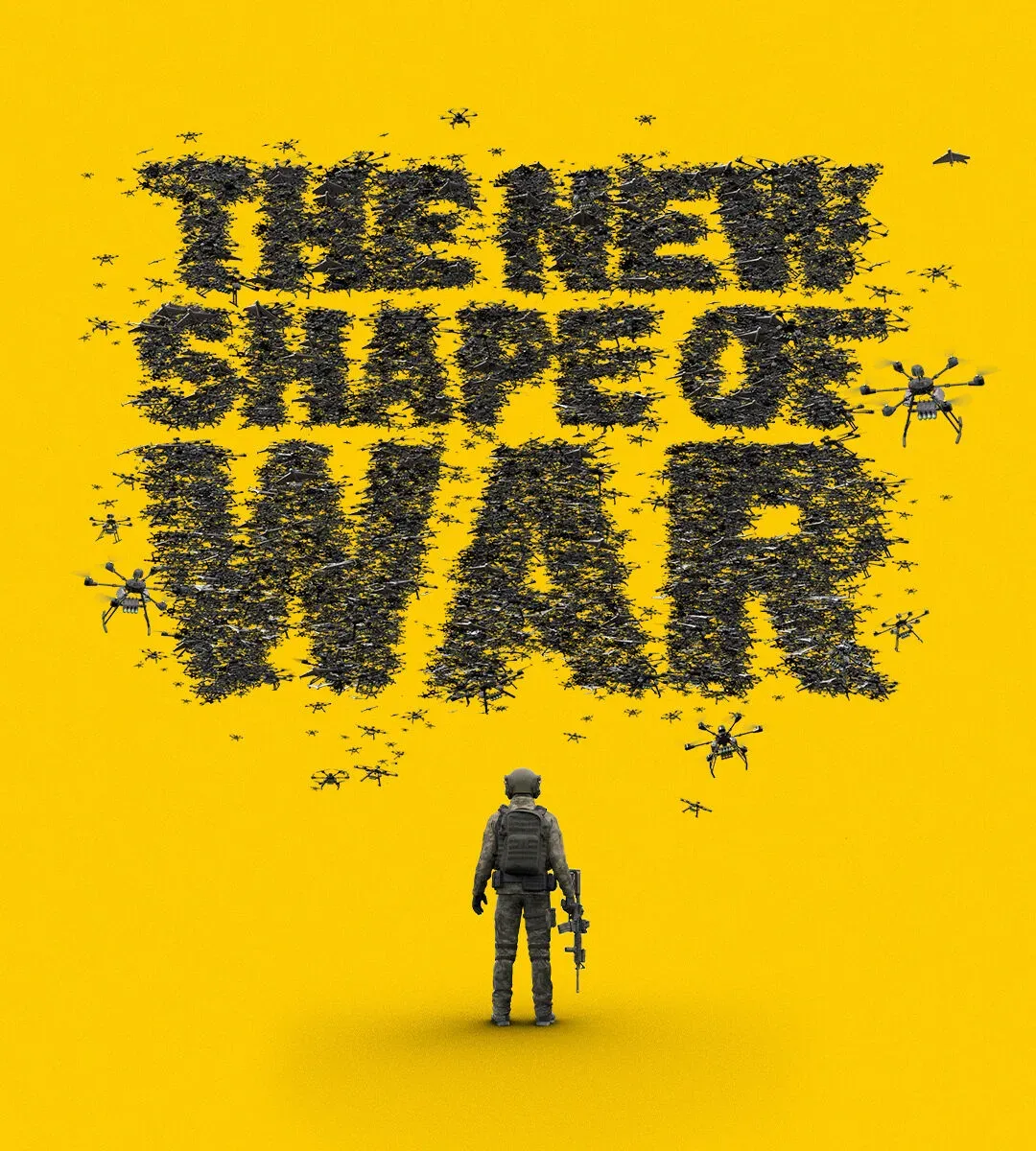
But there are other aspects of modern war that are just as critical and scary as ‘regular’ war. These include cognitive warfare, infrastructure attacks (including cyber warfare), and deliberate acts of social destabilization, like facilitating illegal migration.
Europe can and should be fighting hard on these fronts right now. If not offensively, than at least defensively. It's also worth mentioning that doing so is way cheaper compared to weapons procurement.
The scariest (to me) of these is cognitive war. Right now, this front is severely underfunded and undefended.
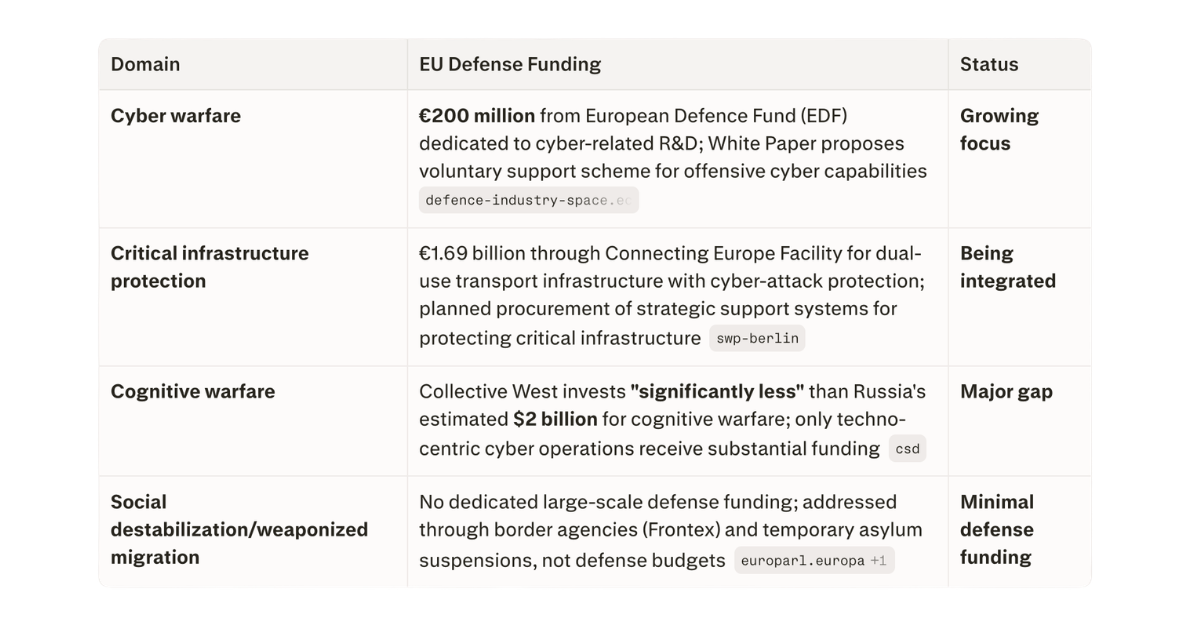
From The Center for the Study of Democracy:
“Today, however, the West is in cognitive paralysis, hobbled by bureaucratic inertia, toxic in-fighting, anachronistic legal and ethical constructs, and a crippling fear of escalation. With very few exceptions Western countries have not devised mechanisms, either individually or collectively, to harness and synchronize their respective elements of national power in an effort to counter, let along wage successful cognitive warfare.”
In my view, cognitive war will not be won by efforts at ‘media literacy’, flooding the zone with truth (as sympathetic as I am to that view!) or simply monitoring the situation. It will be won by engineering a vibe shift; an alternative, positive narrative about Europe via a massive counter-campaign of feel-good, pro-EU main-stream cultural propaganda and events. But more on that in another post.
Will active fighting on these non-conventional fronts prevent a war? strategists disagree, but a combination of both will probably be needed.
Conclusion: Nobody Really Knows
Writing these essays has been difficult because the situation is complex and incredibly fast moving. Also, it’s abstract—things change when events happen on the ground.
I recently dusted off my copy of No Ordinary Time and re-read the chapters around the Pearl Harbor attack. It was a good reminder of how isolationist the US was leading up to WW2. How FDR, who had full situational awareness, was trying to cajole the American public and using work arounds like lend lease.
After the attack, the the US went morphed from a country committed to isolationism with an unprepared industrial base into an ‘arsenal of democracy’ within months rather than years. It remains a story of one of the most amazing war mobilizations in history. Again, events on the ground can radically reshape realities.
I believe and hope this could happen in Europe too.
As horrible as an attack would be, it would clarify the terrain. The worst thing that could happen is that Europe is steadily destabilized and attacked in an endless grey, hybrid war until it collapses on it’s own.
Let’s make sure that doesn’t happen.
As civilians, all we can do is maintain situational awareness, share what we know, vote accordingly, and prepare. In some ways, this little newsletter is my teeny tiny way of helping this effort along.
Cultural Artefact: Fort Shoenenbourg, Maginot Line
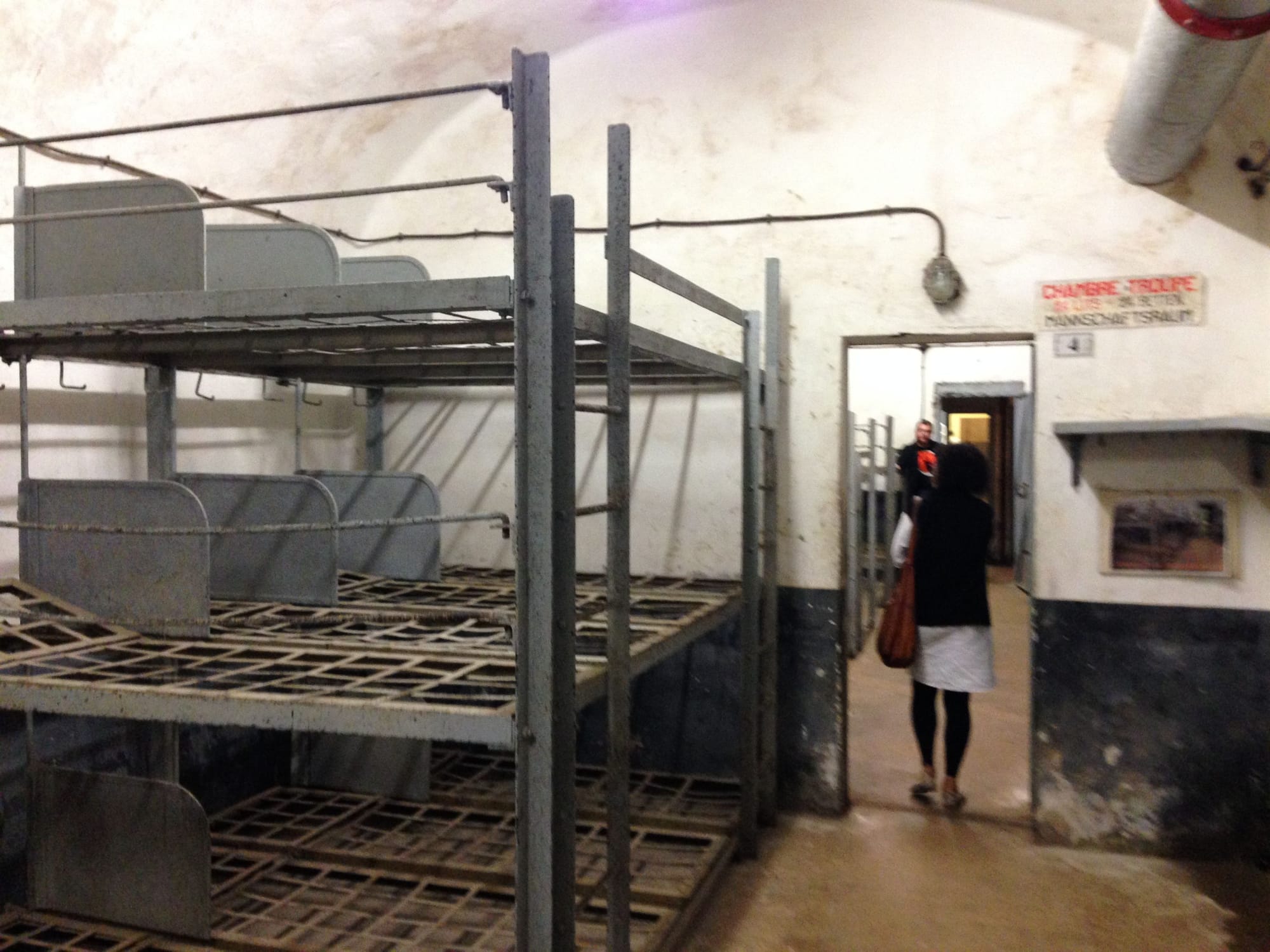
Several years ago my mother in law celebrated her Birthday near Strausbourg. On the way home I convinced my husband that we should make a visit to the Maginot Line. In case you’re not familiar, The Maginot Line is an underground bunker built after WWI that spans much of the German/French border. It was built to prevent a German invasion.
It was designed to be totally self contained with operating rooms, showers, leisure activities, kitchens and more. I had been listening to Dan Carlin’s Blueprint for Armegeddon series on WWI and I wanted to see it for myself. Of course the Germans just went through it’s one weak/undefended point in the Ardennes which the French thought was too treacherous for an Army to traverse. Experts disagree if if was a failure of it ‘worked’.
In any case, it’s worth visiting. You can take a self-guided tour anytime or visit their website to see times for a guided tour.
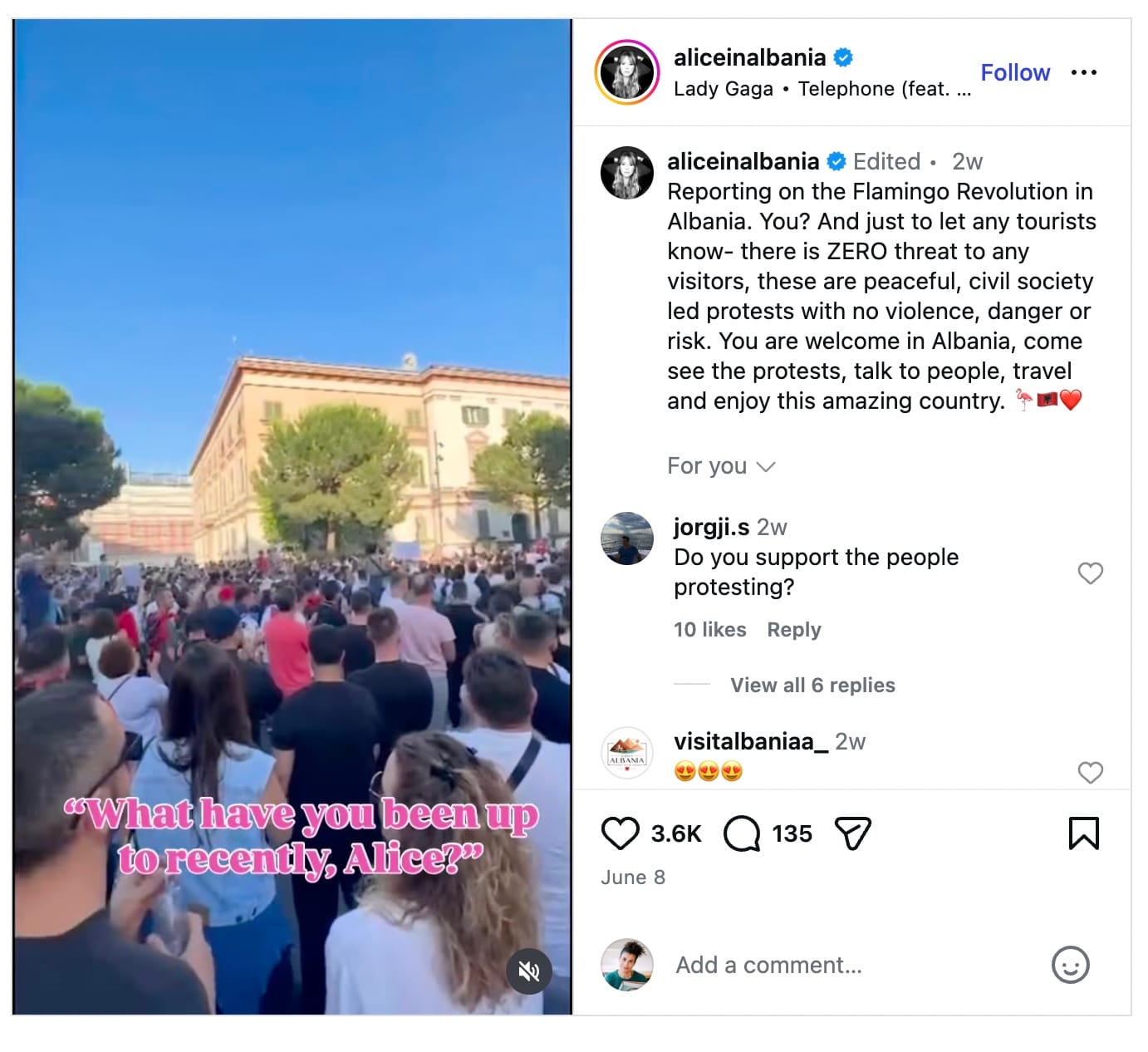
Meme of the Week: The Flamingo Revolution
The Albanians are not interested in selling of their country for parts, and I’m HERE FOR IT. Reporting live on the ground is @aliceinalbania.
A quick end note: Writing these defense posts kind of killed me (no pun intended). It's not exactly an upbeat subject and I am not a journalist. It was a LOT of work and research. Thinking through how to structure it all required leaning on my incredibly rusty high-school essay writing skills. My intention with this project is/was to create a kind of scrap book for all my thoughts, observations and loves about Europe. So through the summer expect more light hearted, digestible tidbits.