The EU is Infested with Spies
Compliments of Russia, of course.


And no surprise, Russia is behind most of them, followed by the Chinese. They blend into European society just like in The Americans (but less glamorous). A recent report from the Swedish Defence Agency reveals the 10 types of spies, what they do and more.
From the report summary:
The report concludes that most of the spies carried out assignments in the Baltic states, particularly in Estonia, on behalf of Russia. In two-thirds of the cases in the study, Russia was the commissioning state. The second-most frequent instigator was China, with six assignments. The spies were almost exclusively men. Among the few women convicted of espionage, most were married to or in relationships with men who had also spied. There was greater variation in the spies’ ages: the youngest was 21 and the oldest 82 at the time of conviction.
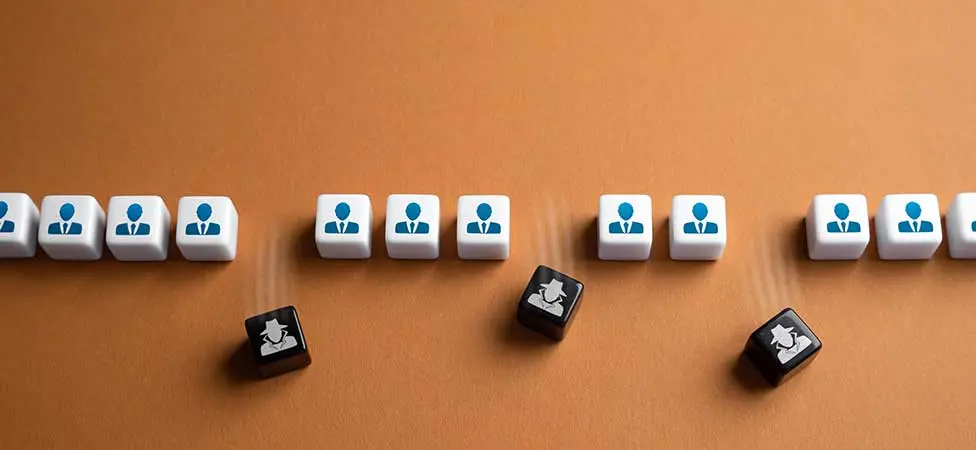
The report also lists the 10 types of spies
- The Traditional Insider. Participates in security-sensitive activities at work and has access to classified information. Most often employed within the military or an intelligence service.
- The Ideologist. Acts out of conviction that the country for which he or she spies is right; regards espionage as service to that nation.
- The Observer. Films and photographs, often military protected sites.
- The Disposable (One-time Agent). Someone who knowingly or unknowingly carries out at most one or a few espionage missions. Their value lies in the difficulty of linking them to a handler if caught, but their disadvantage is that they can perform only the simplest forms of espionage, since the handler regards them as expendable.
- The Intermediary (Facilitator). Handles logistics and rarely carries out the espionage personally but ensures that the handler receives the information obtained by the spy.
- The Multi-criminal. A person who spies but also engages in other forms of criminal activity, such as sabotage, spreading false information, or break-ins.
- The Specialist. Possesses access to classified information while primarily working in another field. Examples include an interpreter present during a top-secret discussion or an electrician repairing sensitive equipment.
- The Mobile Spy. Operates across borders and is almost always an EU citizen. One example is a German recruited by Turkish intelligence to spy on Greece.
- The Connected Agent. Common in Chinese recruitment cases: individuals who have ties to the country they spy for through family relations, religion, or cultural values.
- Espionage Rings. Networks of operatives working in a coordinated manner.
Espionage in Europe is becoming more complex
Espionage is ever present in society and often unfolds in our immediate surroundings. It involves not only classified information, such as military capabilities and defence planning, but also other forms of sensitive information, for example details about organisations, personnel, technical systems, and suppliers. A new research report from the Swedish Defence Research Agency, FOI, shows that intelligence activity is occurring here and now, and that espionage has becomeis an integral part of Europe’s security landscape.

This (paywalled) article from The German Review give a good rundown of how espionage works.
The barbecue that exposed Germany’s spy problem
After decades of restraint, Berlin wants its intelligence service to recruit spies, sabotage enemies and take risks again.
 Jörg Luyken
From the article:
A few months before Russia invaded Ukraine, a barbecue was taking place on the grounds of a local football club in the small Bavarian town of Weilheim. Among the guests was Carsten L., a man in his fifties who coached one of the club’s youth teams. To the other coaches he was simply a soldier whose regular absences from the quiet commuter town were due to deployments in Afghanistan and elsewhere. But there was one man at the barbecue who knew better. Arthur E., a charismatic Munich businessman with Russian roots, knew that Carsten was not merely a soldier. He was one of the senior officials at the Bundesnachrichtendienst (BND), Germany’s foreign intelligence service.Arthur struck up a conversation, news reports at the time stated. A friendship followed.But it was a friendship with a purpose. Arthur was working on behalf of the Russian state.
And here's another one about Russain spies in Estonia from Politico Europe
Estonia unmasks record number of Russian spies
The country’s intelligence service warns non-military threats — including sabotage, espionage, and information campaigns — are becoming increasingly prominent.
 Eva Hartog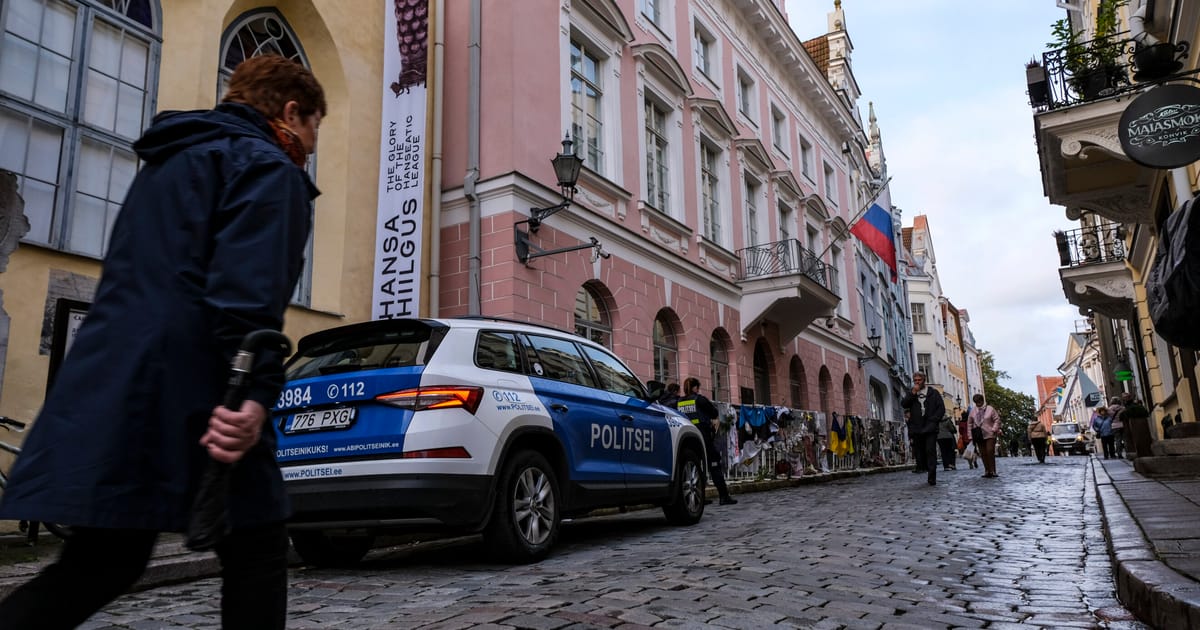
See what I mean? Just like The Americans. Watch your back, and remember: loose lips sink ships.